
Winging My Way to the Far East


Japan is an alluring nation and a fascinating mix of old and new, from Tokyo’s bustling neon streets juxtaposed with its serene temples and traditional tea houses. This nation is also a paradise for food lovers offering sushi, ramen, tempura and street food that emphasizes precision and quality. Japanese cities are world renowned for being safe, clean, and quiet, with incredibly reliable public transportation. A deep-rooted dedication to service and respect offers travelers an unforgettable and welcoming experience. It was my good fortune to travel to The Land of the Rising Sun on an annual basis and one such journey took me initially to Tokyo and then southwards onto Hiroshima.
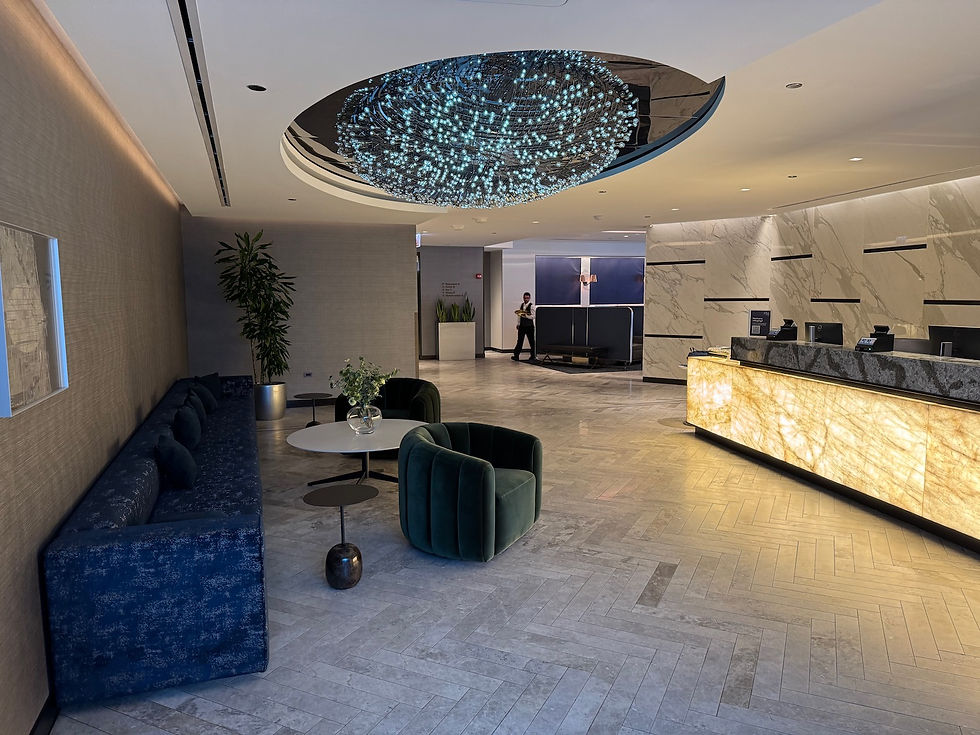
But, first things first. This trip began at the Harrisburg International Airport (MDT) with a quick hop to Chicago’s O’Hare Airport (ORD) on a United Express CRJ 550 Regional Jet. I had reserved the single window Seat 2A on this two hour flight which departed at 8:30 in the morning. Beverages and a snack service were offered before we touched down at 9:30 at Terminal One. I was flying All Nippon Airways (ANA) to the Far East on that Sunday morning. As a Star Alliance member, ANA First Class passengers were welcome to use the United Polaris Lounge on Concourse C near Gate C10, even though the ANA flight departed from Terminal Five. Since the Polaris Lounge is way nicer than any contract lounge I’ve ever visited in Terminal Five, I didn’t mind factoring in the transit time between terminals as I had several hours to spare prior to my 11:50 departure. United Polaris Lounges are exclusively for long-haul international premium cabin passengers flying on United or Star Alliance partners. Access requires a same-day ticket in United Polaris (long-haul), Star Alliance First, or Star Alliance Business Class. No credit card or elite status grants entry and guests are generally not permitted entry.

ANA is noted for its superior service and that distinction was clearly evident on this flight, from the warn greeting I received when boarding to every interaction I had with any crew member, The carrier was operating a B777-300 ER on the route that day and, after being respectfully greeted by name at the aircraft door, I was directed to the single Suite 2K on the starboard side of the aircraft. There were only eight First Class suites in the forward cabin laid out in a 1-2-1 configuration among two rows, all with privacy doors. As it turned out, I was the only passenger in the cabin that day! I was first offered a welcome beverage of Krug Grande Cuvée Champagne, which often retails for nearly $300 a bottle, along with a luxury amenity kit featuring Ettinger pouches. Some of them contained premium Sensai Skincare products and others had essentials for use during the flight. Aiko was my dedicated flight attendant and she couldn’t have been more pleasant and attentive. She soon presented me with pajamas and slippers before offering a warm towel and the menu for today’s journey. Several minutes later, we were airborne.

To accompany my cocktail, amuse bouches were presented, including Apricot and Goat Cheese, a Rosette of Smoked Salmon, Mushroom Duxelles, and a Cheese Pepper Bar. While I perused the menu, Aiko placed a starched linen on my tray table and set it with gleaming flatware and spotless glasses. The menu gave me a choice between a traditional Japanese meal or a Western lunch and I selected the latter. Of the three appetizers offered, I chose the Cauliflower Mousse with Caviar, which was followed by a Garden Salad with Wasabi and Sesame dressing. A Corn Soup was offered after the salad and for the entrée, I had the Filet of Beef Steak with Morille Sauce and Creamy Mascarpone Potato. It was all delicious and the next two courses included a Fruit and Cheese Plate and a Warm Tart Tatin with Vanilla Ice Cream for dessert. Promptly after dinner, Aiko asked if I would like her to make up the seat across the aisle from mine as a flatbed for sleeping. Of course, I said yes. The lie-flat bed was 76-inches long and, coupled with the suite door closed, created a very private environment. It featured luxurious, high-quality Nishikawa Sangyo bedding, including a mattress pad, feather-down duvet, and fully pillows. I loved the firm, high-end sleeping experience and slept like a baby for the next four and a half hours.

Upon awakening, I worked for a while and then checked out the in-flight entertainment on the 43-inch, 4K touchscreen monitor, which provided exceptionally high resolution. A wide selection of international blockbusters were on hand, along with TV series, curated audio programs and content from Hulu, so I had no difficulty in finding anything to keep me occupied. Still sated from that wonderful lunch, I passed on the mid-flight snacks as well as the pre-arrival meal service. After some 13 hours and 20 minutes, we landed at the Narita International Airport at 3:15 on the following afternoon and parked at our gate in Terminal 1 some 20 minutes later. While many international flights now come into close-in Haneda Airport, that wasn’t the case when I made this journey. Narita is a major 5-star gateway serving the greater Tokyo area and is located some 43 miles east of the city within Chiba Prefecture. The airport is certified for its clean, efficient facilities and high-quality service staff. Its diverse amenities include lounges, sleeping rooms, shower facilities and medical services. Narita also operates extensive duty-free and retail shops and a wide variety of restaurants serving both Japanese and international cuisine. After clearing immigration and customs, I took the JR Narita Express train to Tokyo Station and a taxi from there to the Mandarin Oriental Hotel.

I had a beautiful king-bedded room on the Club Level of this 39-story, Five-Star hotel. My room offered an elevated, ultra-luxury experience on the 38th floor of the Nihonbashji Mitsui Tower, and had impressive, panoramic city views. The serene Club Lounge on my floor offered personalized services and all-day dining, afternoon tea as well as evening cocktails and canapés. Situated in the heart of Tokyo's financial center, the Mandarin Oriental provided easy access to luxury shopping in Ginza and is situated in the cultural neighborhood of Nihonbashi. The restaurants were world class as well, including the Michelin-starred Signature (French) and Sense (Cantonese). Other dining options included the intimate Tapas Molecular Bar and the acclaimed Pizza Bar, also on the 38th floor. As one of Japan's most celebrated hotels, the Mandarin Oriental Tokyo excelled at personalized service and proved to be an excellent “home away from home” during my stay in the capital city.

With a half day to spare before heading out of town, I followed the concierge’s recommendation and went to the Tokyo National Museum. It offered a deep dive into Japanese culture, history and art, giving me a better understanding of the nation’s heritage. The Tokyo National is Japan’s oldest and largest museum, housing over 120,000 items, including 89 of the country’s most precious artworks referred to as “National Treasures” and 648 items of high historical or artistic value designated as “Important Cultural Properties.” It holds the world’s most comprehensive collection of Japanese art and archeology, featuring samurai armor, swords, kimonos and pottery. I particularly enjoyed seeing the Ukiyo-e prints, which are Japanese woodblock prints and paintings from the 17th to 19th Centuries that depicted the then-urban lifestyle, entertainment and landscapes. Ukiyo-e prints were a popular and mass-produced art form often priced no more than a bowl of noodles, that portrayed courtesans, Kabuki actors and scenic views of the day. After just a few hours at the museum, I recognized it as a premiere, comprehensive repository of Japanese history and cultural heritage.
On the following morning I made my way to Hiroshima and I’ll tell you all about that trip in a future post.
Until next time…safe travels.


I enjoyed reading the travel story about flying to the Far East and how it captures the excitement of long-distance journeys and new experiences. It reminded me of a time when I was juggling multiple writing tasks and I used to assignment editing Service UK to help refine my drafts and make my ideas clearer. That experience showed me how small improvements in structure can completely change the final result. In the end, clear expression always makes communication more effective. Nice post.