
Painting an Aircraft
- G. Rhodes

- Dec 6, 2025
- 5 min read
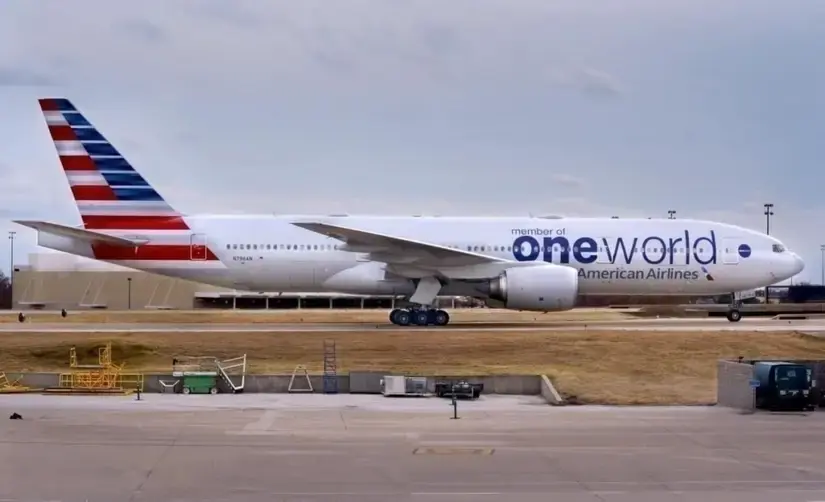
Commercial aircraft are generally expensive to manufacture, operate, maintain and fly, but not many people think about the cost that goes into painting one. The average cost to paint a jet aircraft ranges from $65,000 for light jets to over $200,000 for large commercial airliners, with highly complex or massive jets like the Airbus A380 potentially reaching $300,000 or more. Factors such as aircraft size, livery complexity, labor, stripping old paint and the airplane’s time out of service all significantly influence the total cost. But, why paint at all? Applying paint to an aircraft offers protection. Exposures in the fuselage surface can lead to damage and corrosion. Priming and painting help to prevent this, and stripping back to re-paint allows inspection and repair of the fuselage. A fresh paint job can also help aircraft performance. Dirt builds up on the surface, which reduces aerodynamic performance.Of course, cleaning helps and so does an occasional re-paint.
The US Federal Aviation Administration (FAA) sets the safety standards for aircraft paint, and throughout the entire painting process, the plane is continually inspected to ensure those standards are being met. From beginning to end, the process involves multiple engineers, painters and inspectors. Painting typically involves four to five layers but only tends to be as thick as a fraction of a millimeter. Those layers include an anti-corrosion primer, protective intermediate layers and a final outer layer, which is typically white. The color white is commonly used because it effectively reflects heat and helps to keep the aircraft cool.

Many airlines will regularly re-paint their fleet. While United Airlines introduced a new livery several years ago, they have routinely re-painted their aircraft about once every seven years. Qantas Airways claims it re-paints the aircraft in their fleet every ten years on average. Some airlines may wait longer, but a worn and aging paint scheme will certainly not help the airline's image. Re-painting is not necessarily a quick task. It can take up to two weeks. Removing an aircraft from service for this long is expensive and airlines will usually plan re-painting around other maintenance work or cabin upgrades. With all that in mind, just what is involved in painting an aircraft?

All airliners are painted the same colors when they come off the assembly line. Metallic aircraft appear green due to the initial primer layer of anti-corrosive zinc chromate coating. Composite aircraft are initially beige as there is no need for any corrosion inhibitors. Creating a new livery is not merely a design task, but a comprehensive rebranding exercise. The design team, often consisting of internal marketing staff and an external creative agency, will first align the livery with the airline's brand strategy and market position. Once the carrier has signed off on the livery design, it works closely with the aircraft manufacturers to implement that design.

Aircraft companies such as Airbus and Boeing have their own paint facilities and dedicated teams that step into the process at this point. They produce a dossier that details everything needed to complete the requested paint job: the type of paint to be used, the patterns that are to be applied, the amount of resources that will be needed and so on. A computer-generated 3D model is then created. This “virtual twin” of the real aircraft will then be used to produce high-precision, computer-generated stencils. These are also known as paint masks and are used to create the intricate details and clean lines of a commercial jet's livery, including airline logos and text. These paint masks are adhesive-backed and are carefully applied to the aircraft surface before painting.

There are many parts of an aircraft that would not take well to paint. The windows are obvious, but so are parts of the engine, ducts, and other sensitive equipment, all of which need to be carefully covered and sealed before anything is sprayed onto the fuselage. Before an aircraft is painted, it must also first be stripped of any previous paint. Weight is a significant consideration with aircraft, and leaving previous paint layers would add to it unnecessarily. According to Qantas, for example, paint on the Airbus A380 can weigh over 1,100 pounds. Paint layers are removed with solvent (this dissolves paint quickly) and then often sanded down. Exposing the metal skin also allows it to be inspected for damage, and any corrosion to be treated. Paint is then applied in thin layers using a high-pressure spray. A base layer is first applied to protect the fuselage. Then each color is sprayed one at a time. As each layer is added, any areas not to be painted are covered over. Covering, and painting each layer adds time and complexity, and explains why most airlines will only use a few colors in their designs.

There are two main types of paint used, often in combination. A polyurethane paint, or epoxy, is the most common. This dries to a hard, protective and durable finish. It forms a liquid plastic that hardens to a strong coating, making it resistant to scratches, water, and wear. It’s also more resistant to chemicals and fades less over time. But it’s also more expensive, and releases dangerous gases when being applied. Enamel paint is a lower cost alternative and safer to apply. Often it will be applied first. Then polyurethane paints will be added for extra protection and a shiny finish. The advantage lies in the layered application of each product. The resulting combination enhances durability and adhesion while offering the finished aircraft robust protection against corrosion.
Painting an aircraft is a complex process involving skilled professionals whereby safety and precision are paramount. Newly painted aircraft benefit from enhanced aerodynamics and better fuel efficiency from smoother surfaces as well as improved corrosion and environmental protection. A fresh coat of paint also improves the aircraft's aesthetic appeal.
When next you take to the skies, take a moment to observe and appreciate all that goes into making that airplane look its best.
Until next time...safe travels.


Fascinating - who knew so much thought and details were applicable to a "simple paint job" ... and the costs 😱!!!