
What Flight Attendants Observe
- G. Rhodes

- Feb 28
- 5 min read

Flight attendants almost always welcome passengers upon boarding the aircraft. This may include a formal greeting as well as double checking boarding passes to assist with seating, or helping passengers stow their luggage into the overhead bins. While it may look like a straightforward process, there is a great deal more that goes into welcoming passengers onboard. Boarding is an important time for the cabin crew to assess passengers. Flight attendants are extensively trained to observe passengers during boarding and throughout the flight, focusing on safety, security, and medical needs by assessing demeanor, physical fitness, potential threats (like intoxication or aggression), and individuals requiring assistance (either elderly, disabled or anxious) to ensure a safe, efficient, and prepared cabin environment.
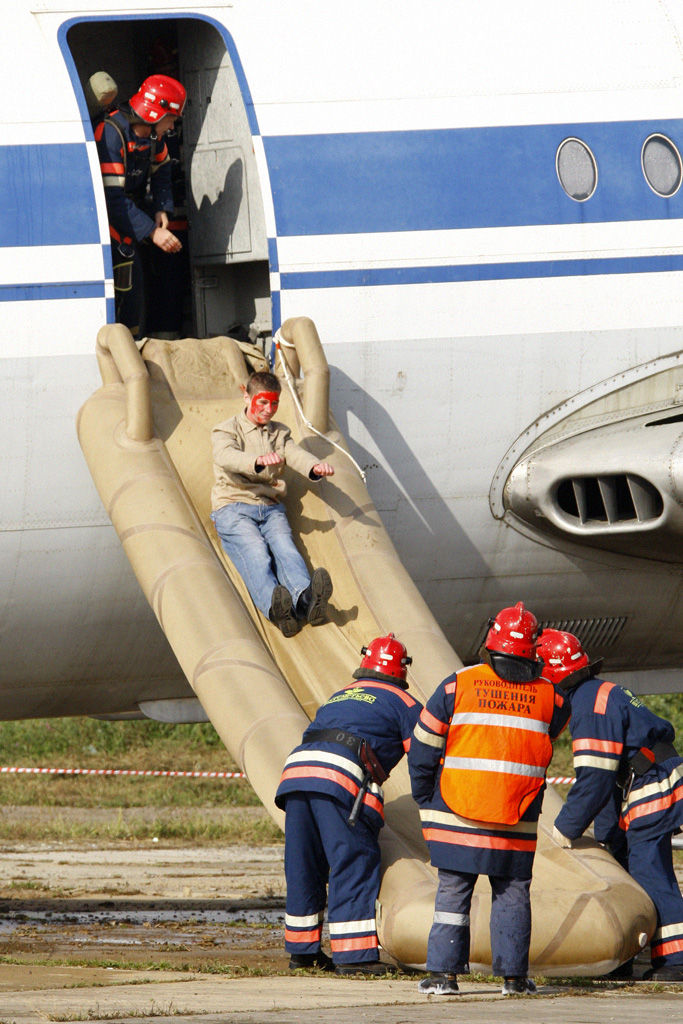
Flight attendants assess physically fit persons, especially firefighters or police officers who may be able to assist in an emergency. These are called able-bodied passengers or ABPs. They would be briefed on a planned emergency and assigned certain tasks. In an unplanned emergency, they'd be approached to help open an exit door, for example, and assist people down the slide. The crew members may approach ABPs beforehand in case they suspect an emergency to ensure prior information is given to the passengers. Maintaining effective communication and ensuring compliance with the Standard Operating Procedures starts with the preflight briefing. This is when the crew will together define any parameters that could affect their decision-making if an emergency were to occur. It also gives them the opportunity to review emergency evacuation procedures with the associated standard callouts, and discuss them in the context of the upcoming flight. The crew also takes into account any specific conditions such as airport equipment, external conditions, and the application of Minimum Equipment List items.
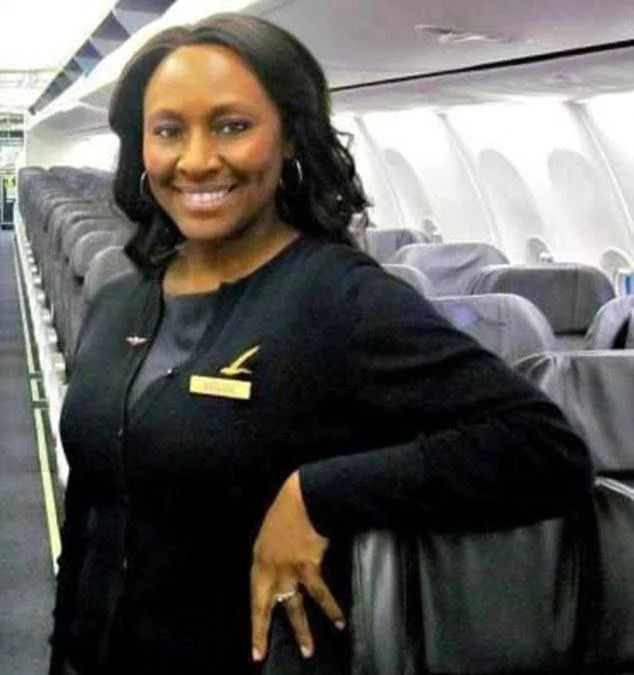
Flight attendant training also focuses on recognizing indicators of human trafficking. They’ve been trained to recognize someone who appears fearful, controlled, isn’t aware of their destination, or is denied basic independence (like using the restroom alone). Other warning signs might be observing companions who control travel documents, money, or interactions, or those showing inappropriate behavior for the travel situation. The most widely cited example involves Alaska Airlines flight attendant Shelia Fedrick, who in 2011 rescued a teenage girl on a flight from Seattle to San Francisco. Fedrick noticed a disheveled girl with "greasy blonde hair" who appeared terrified while sitting next to a well-dressed older man who was defensive when approached. She quietly instructed the girl to go to the bathroom, where Fedrick had left a note on the mirror. The girl wrote back, "I need help.” The quick-thinking flight attendant alerted the pilot, who contacted law enforcement to meet the plane upon landing, leading to the girl's rescue.

Intoxicated passengers can present a serious problem for flight attendants as intoxication poses significant safety risks. Cabin crew watch for signs of intoxication, including slurred speech, glassy eyes, awkward movements, or irrational statements. Disruptive passengers interfere with crew duties and threaten the safety of everyone on board, leading to a "zero tolerance" approach from authorities. Flight attendants will first attempt to manage such passengers relying on their training in de-escalation techniques, all the while adhering to Federal Aviation Administration (FAA) regulations, which prohibit serving visibly drunk flyers and mandate reporting unruly behavior. Escalating actions normally include warnings, restraint and possibly flight diversion, Unruly passengers face significant fines (up to $37,000) and potential criminal charges, with airlines often implementing bans.

Potential sickness is monitored as well This has been heightened since the COVID-19 pandemic as we’ve become more attuned to the risks and aim to better understand the effects of communicable diseases. During their initial greeting, flight attendants assess passengers for various risks, including illness, as part of their safety and security duties, which continue throughout the flight. Identifying potential issues early allows crew to request medical assessments before departure or provide assistance as needed during the flight. During boarding, they look for visual clues like coughing, difficulty walking, or unusual demeanor, and they’re equipped to handle medical emergencies with advanced first aid and access to medical professionals on the ground. Flight attendants have protocols to contact ground-based medical teams (like MedLink) for expert advice during in-flight emergencies. Passenger safety is paramount as they’re trained to ensure the well-being of sick individuals while protecting other passengers from potential infectious diseases in an enclosed space.If a passenger looks seriously ill, they would most likely be denied boarding as their flying isn't worth the risk of a medical emergency onboard. Also, someone in the late stages of pregnancy would be wise have to have a medical note indicating that they’re fit to fly.

Cabin crew will also check that able-bodied passengers are seated at the exit rows as there are stringent rules regarding who can sit by the exits, and sometimes mistakes are made at check-in. They quickly gauge if a passenger seems fit to assist in an emergency or if they might need help, noting factors like footwear (high heels), advanced age, and physical condition. An emergency evacuation should never be impeded, so even a broken arm would cause a passenger to be moved. All US airlines also ask those seated at the exit rows if they would be willing to operate the exit doors in an emergency. If they are not willing to assist the crew in opening the exit door, they will be reseated.

Flight attendants are also trained to help calm passengers with a fear of flying (aviophobia), offering support through reassurance, distraction, explaining procedures, and sometimes even moving them to different seats. They will often check up on these passengers, explain flight procedures, the skill of the pilots, or what certain sounds mean in order to demystify their experience. If time permits, flight attendants might also use various tactics to manage anxiety and ensure a smoother flight, including engaging them in extended conversation, or guiding them through breathing exercises to distract them from their fears. Flight crews are trained to handle emotional and medical situations, including fear of flying, in order to maintain safety and comfort.
Essential in commercial aviation, flight attendants serve as highly trained safety professionals who manage emergencies, enforce security, and ensure passengers follow procedures, while also providing essential customer service like assistance and communication, allowing pilots to focus on flying. They are legally required and undergo intensive training in making them vital for handling unexpected situations in the cabin and ensuring a smooth flight.
Until next time…safe travels.


Comments